Design and Aesthetics of Modular Paving Systems
Color and pattern options for modular block systems
“Paths are poems underfoot,” a designer once said, and the idea unfolds across the terrace space. With interlocking paving blocks, craft and durability walk hand in hand, turning driveways and courtyards into living surfaces. In South Africa’s sun and rain, design choices glint with character, while technical quality keeps every edge true.
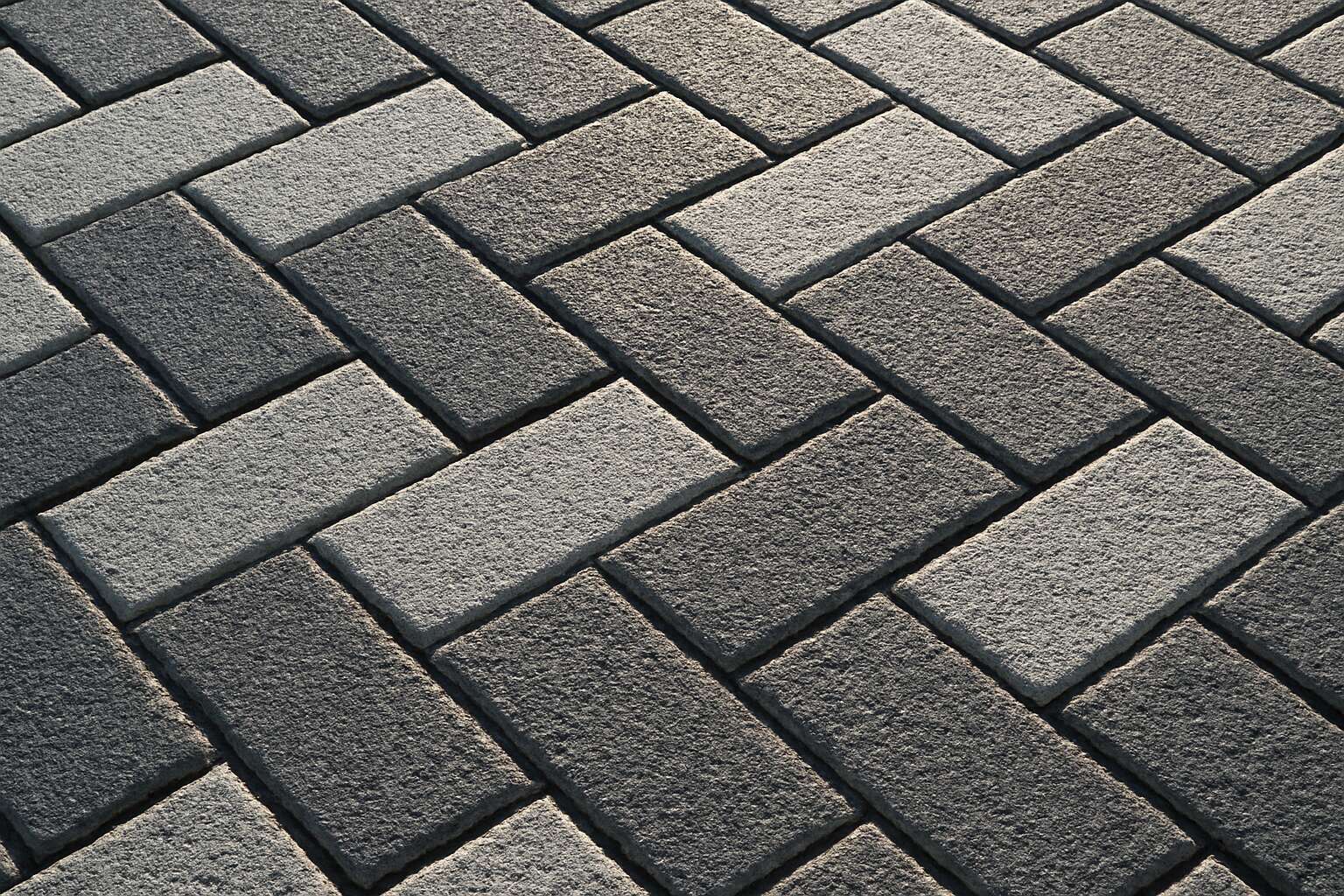
Design and aesthetics of modular paving systems invite color and pattern to tell a story. Choose warm ochres and terracottas to echo veld and sunset, or cool charcoals for modern hardscape that reads as a canvas for plants. Patterns like herringbone, running bond, or circular motifs create movement and focal points without shouting. The beauty lies in how space feels as it is walked, not merely how it looks.
Texture and slip resistance considerations
Texture is the quiet doorman of outdoor design. In South Africa’s sun and sudden showers, grip matters more than gloss. A well-chosen texture boosts slip resistance and, yes, up to 60% of perceived quality in outdoor spaces, according to clever designers. With interlocking paving blocks, texture guides the way your feet meet the ground, turning patios and driveways into surfaces you actually want to walk on.
Texture options that perform without shouting include:
- Brushed or micro-textured surfaces for rain-ready grip
- Ribbed or stippled profiles that hide wear and provide traction
- Pressed finishes designed for fluid, barefoot-friendly zones
Texture and slip resistance aren’t afterthoughts; they’re integral to the surface story. For interlocking paving blocks, select a texture that wears gracefully, stays clean after rain, and keeps edges true for a long, dignified life.
Enhancing curb appeal with modular paving designs
Design has a heartbeat, and modular paving systems keep it pulsing outdoors. South African homes with crisp entrances report sharper curb appeal and quicker first impressions—think a noticeable boost in buyer interest. interlocking paving blocks are the chassis of that curb appeal, turning entryways into confident, photo-ready thresholds.
Aesthetics hinge on proportion, line, and how the eye travels from gate to garden. A well-conceived layout guides movement with subtle rhythm, so patios and driveways feel expansive rather than claustrophobic. Balanced scale and coherent borders keep the look timeless, even as styles shift.
- Proportional border lines that frame spaces
- Rhythm through repeating modules
- Seamless transitions to garden zones
Done well, these choices create curb appeal that ages gracefully, inviting visitors to pause, look, and linger.
Trends in residential and commercial paving patterns
First impressions in South Africa are forged in under three seconds, and the entrance is the stage where interlocking paving blocks perform. Design is a language of texture, line, and proportion that quietly guides a visitor from gate to garden.
Current trends favor modular systems that merge with both home and commercial façades. Curves soften frontages; grids convey corporate clarity; and grain orientation with the landscape creates a grounded, timeless rhythm that ages gracefully.
In the South African context, movement and memory align through deliberate layout choices.
- Curved, radiused modules that cradle planting zones
- Edges and alignments preserving sightlines for safety
- Subtle, seasonally resonant color modulation
That evolving rhythm invites lingering, a visual chorus of texture, form, and the quiet authority of interlocking paving blocks.
Performance, Durability, and Longevity
Why modular block systems resist cracking and movement
Performance in the field hinges on load distribution and edge restraint. Interlocking paving blocks spread traffic across a wider footprint, reducing rutting and shifting. In South Africa, projects report up to 25% fewer surface repairs when installed with proper base preparation.
Durability comes from the system’s interlock and a rigid base. The blocks resist cracking and movement as the base settles, while sand-filled joints absorb expansion and contraction. Key factors include precise cutting, a well-compacted base, and solid edge restraints.
- Precise alignment
- Compact base
- Durable joint sand
Longevity stems from the design discipline of interlocking paving blocks and quality materials. With proper installation, these blocks resist displacement and retain joint stability, delivering decades of service. Across varied South African climates, homeowners enjoy lower lifecycle costs as pigments endure sun and wear.
Load-bearing capacity and suitability for driveways
Performance in the field hinges on load distribution and edge restraint, shaping a load-bearing capacity that thrives under real loads. Interlocking paving blocks spread traffic across a wider footprint, reducing rutting and movement. In South Africa, projects show up to 25% fewer surface repairs when base preparation is done right.
Durability stems from the system itself—the way blocks lock together, the rigidity of a well-compacted base, and joints that absorb expansion and contraction. Edge restraints guide the ensemble, keeping blocks aligned even as the soil settles and seasons change.
Longevity comes from thoughtful design and durable materials—a combination that resists displacement and preserves joint stability for decades. Across South Africa’s climate zones, pigment and wear resistance translate to lower lifecycle costs, and the approach remains well-suited for driveways through the years.
Climate resilience and freeze-thaw performance
Performance in the field hinges on load distribution and edge restraint. Interlocking paving blocks spread traffic across a wider footprint, reducing rutting and movement as vehicles press the surface. With a properly compacted base, the system holds form, and the surface seems to resist the weather and wear through South Africa’s varied driveway demands.
Durability grows from the blocks themselves—their tight locks, rigid base, and joints that absorb expansion and contraction. Edge restraints keep lines true as soil settles and seasons shift, preserving alignment and resisting early wear.
Longevity hinges on design, materials, and climate resilience. Across South Africa’s zones, pigment and wear resistance cut lifecycle costs while the interlocking paving blocks stay true to form as moisture waxes and wanes.
- Solid base engineering
- Flexible joint systems
- Robust edge detailing
Maintenance impact on longevity and appearance
Traffic is a brutal critic, and performance is the verdict. Interlocking paving blocks spread loads across a wider footprint, reducing rutting and movement as wheels press the surface. With proper installation, the surface remains stable under traffic and weather, making it a practical, long-term partner for South Africa’s driveways.
Durability grows from the blocks themselves—tight locks, a rigid base, and joints that flex with expansion and contraction. Edge detailing and alignment tools keep lines true as soil shifts, preserving a crisp, professional look even after years of use.
Longevity is a product of design, materials, and climate resilience. Across SA’s regions, smart pigment choices and wear resistance keep interlocking paving blocks looking fresh longer, even as moisture and seasons come and go. Maintenance choices influence how long the surface holds its form and appearance, turning a good investment into a lasting one.
Warranty and lifespan expectations for different block types
Performance fuels every step on a driveway paved with interlocking paving blocks. “We shape the ground we stand on,” as a craftsman once whispered, and it holds true: these blocks distribute loads across a wider footprint, damping rutting and wobble as wheels pass. In South Africa’s sun and rain, steadiness translates to surfaces that feel solid.
Durability arises from smart geometry and a solid base, plus joints that flex with soil movement rather than crack under it. The result is a surface that resists shifting after heavy loads and seasonal shifts, remaining crisp and intact without constant repairs. Interlocking paving blocks excel in SA’s varied climates.
Longevity hinges on design, material quality, and headline warranty offers. Different block families set expectations:
- Concrete interlocking paving blocks: 25–40 years; warranty 5–15 years.
- Clay brick interlocking blocks: 40+ years; warranty 10–20 years.
- Porous or high-density composite blocks: 20–30 years; warranty 5–10 years.
Materials, Manufacturing, and Sustainability
Concrete vs. clay and composite options for modular blocks
In the sun-scorched yards of South Africa, materials shape more than a surface—they tell a story. The interlocking paving blocks rely on a trio: sturdy concrete, expressive clay, and inventive composites. I’ve seen concrete endure dust and rain, clay carry heritage, and composites fuse lightness with lasting strength. “They hold the city together,” a builder once said.
Manufacturing for these blocks is a quiet theatre of form and function. They are pressed or extruded, cured to maturity, and finished with color that withstands the South African sun. For the SA market, energy efficiency and water recycling save precious resources.
In this way, interlocking paving blocks become part of a circular economy. Local sourcing and recyclable materials reduce transport footprints, while durable performance lowers replacement cycles across cities and townships. I imagine suburbs waking to greener streets where every step forward honors the land.
Manufacturing standards and certifications to look for
In the workshop, materials tell stories of light and soil—and the interlocking paving blocks themselves carry the promise of streets that outlive us. I look beyond hue to the quiet balance of locally sourced aggregates, low-VOC binders, and durable pigments under the SA sun.
Manufacturing is a careful choreography: precision moulds, controlled curing, and color-fast finishes that resist fading. Energy-efficient kilns or dryers and water-recycling systems reduce the footprint, while batch traceability guarantees that every block arrives with integrity and character!
For sustainability, seek certifications that prove performance, safety, and stewardship. For interlocking paving blocks, these standards reassure project teams and communities alike:
- ISO 9001 — Quality Management Systems
- ISO 14001 — Environmental Management Systems
- ISO 45001 — Occupational Health & Safety
- SABS/SANS product certification — local reliability and compliance
- Green Building Council SA (GBCSA) recognition or Green Star alignment
Sustainable sourcing and eco-friendly production practices
The street remembers when material choices meet sunlight and soil—every grain and binder whispers a story of durability and grace. In the realm of interlocking paving blocks, materials chosen with care become the quiet backbone of a living street.
Sustainable sourcing and eco-friendly production practices shape a future-ready surface. The supply chain for interlocking paving blocks can honor place and people with mindful choices:
- Locally quarried aggregates from responsibly managed sites
- Reclaimed and recycled materials for non-structural components
- Water-efficient curing methods and closed-loop recycling
- Transparent batch traceability from quarry to site
In South Africa’s sun-warmed districts, eco-friendly production translates into longer lifespans and lower life-cycle costs. When production respects soil and water, the streets built with interlocking paving blocks become daily testimonies to stewardship and beauty.
Recycled content and end-of-life recycling options
Streets remember the choices made in stone. The interlocking paving blocks laid today become the quiet backbone of tomorrow’s walkways and courtyards. Materials matter: locally sourced aggregates, recycled content in binders, and thoughtful composition that honors life beneath the sun.
Manufacturing should be a tale of restraint and refinement—precision mixing, reduced clinker in cement, and water-smart curing that minimizes waste. In responsible factories, energy is lean and cycles are closed, turning heat and water into durable surfaces that resist the South African glare.
Sustainability extends beyond the initial build. Recycled content and end-of-life recycling options give the blocks a second life.
- Reuse in non-structural applications on new sites
- Crushing for graded base or sub-base materials
- Upcycling into decorative features or garden edges
Colorfastness and UV resistance in different blends
South Africa’s sun-baked streets demand color that lasts—and interlocking paving blocks rise to the test. Materials choices matter: locally sourced aggregates, recycled binder content, and colorfast pigments shield tones from fading in harsh noon light. Different blend formulations deliver UV resistance alongside colorfastness, so surfaces stay true as seasons turn!
- Local aggregates with stable mineralogy
- Recycled binder content for waste reduction
- UV-stable pigments for enduring color
Manufacturing balances restraint with refinement. Precise mixing, reduced clinker in cement, and water-smart curing minimize waste. In responsible plants, energy use stays lean and production cycles close the loop, turning heat and water into durable blocks that resist cracking and sun glare.
Sustainability goes beyond the first lay. Recycled content and end-of-life recycling options give blocks a second life: reuse, crushing for graded base, and upcycling into decorative edges keep materials circulating.
Installation, Repair, and Maintenance Best Practices
Site preparation and base requirements for stable block systems
“The base is where the job actually starts,” a veteran contractor once noted. In South Africa, the big payoff for interlocking paving blocks comes when the foundation holds up through rain and heat, not after the surface looks good at first glance.
Site preparation and base requirements for stable block systems hinge on a solid subgrade, properly graded aggregates, and edge restraints that keep joints aligned.
- subgrade stability
- drainage and slope
- bedding and base materials
- edge restraints and joint integrity
Repair and maintenance mirror this logic: settlement or voids may signal base issues and joint loss; routine inspections help keep appearance and performance consistent for interlocking paving blocks across seasons.
Proper laying patterns and alignment for performance
Installation, repair, and maintenance for interlocking paving blocks hinge on proper laying patterns and alignment that marry performance with visual appeal. The aim is a surface that resists movement through rain and heat, not a quick-fix that falters after the first season. Thoughtful pattern choices help distribute loads evenly, reduce edge creep, and keep joints tight for years to come.
- Pattern continuity across bays and borders
- Uniform joint spacing and bedding alignment
- Sturdy edge restraints to preserve straight joints
Repairs mirror this logic: settlement or voids often betray base issues and joint loss; routine inspections keep appearance and performance aligned through seasonal shifts. Maintenance is about vigilance—drainage checks after heavy rains, prompt replacement of damaged units, and ensuring edge restraints stay engaged so the surface remains faithful to its design.
Weed control, sealing, and cleaning techniques
Sun-burnished courtyards meet their match when care keeps the joints tight and the colors honest. In South Africa, interlocking paving blocks stay vibrant with the right balance of weed control, sealing, and careful cleaning. “Beauty endures where care is deliberate,” observes a master craftsman.
- Weed control: protect joints from unwanted growth to preserve appearance and drainage without harsh chemicals.
- Sealing: choose UV-stable products that compliment the block surface and resist staining under blazing sun.
- Cleaning: employ gentle washing and soft brushing to maintain texture and slip resistance while restoring color.
Repairs follow the same logic: settlements or voids reveal deeper base issues, while routine checks and timely replacement of damaged units keep the surface faithful to design through changing seasons.
Repair strategies for cracked blocks and base settlement
Sun-kissed South African courtyards reveal a truth: most wear begins beneath the surface—80% of issues trace to the base. With interlocking paving blocks, installation that respects the sub-base becomes longevity’s partner. Beauty endures when sand beds breathe evenly.
- Prepare a stable sub-base with compacted layers and sharp sand.
- Install edge restraints to lock the layout and stabilize joints.
- Check level as you lay; compact in stages to avoid hollows.
Cracks or settlements signal base issues. Lift affected blocks, recompact the area, replace damaged units, and re-sand joints to restore texture and grip. If a settlement shows, address the source and reseat to plan.
Maintenance keeps the shine: debris sweep, periodic re-sanding, and occasional UV-stable sealing. Monitor drainage and edge integrity through the seasons; with care, the courtyard stays faithful to its pattern and colour.
Seasonal maintenance calendar and tips
Sun-drenched courtyards whisper a truth: the secret to enduring beauty lies below the surface. For interlocking paving blocks, a stable sub-base built from compacted layers and sharp sand becomes longevity’s partner. Edge restraints lock layouts, and deliberate leveling prevents hollows, keeping the pattern crisp as seasons turn.
Cracks or settling signal base strain. Lift the affected blocks, recompact the area, replace damaged units, and reseal joints to restore texture and grip. When movement repeats, address the root cause and reseat with care to preserve the surface’s rhythm.
Seasonal maintenance calendar helps keep the finish pristine. Sweep debris, re-sand periodically, and apply UV-stable sealant when conditions suit. In South Africa’s spring (Sept–Nov) tidy joints; summer (Dec–Feb) monitor drainage; autumn (Mar–May) re-sand as needed; winter (Jun–Aug) check edges after rains for interlocking paving blocks.
Applications, Cost, and ROI
Residential driveways, patios, and pathways using modular blocks
Across South Africa, a well-designed driveway or patio can transform a home’s first impression. Residential driveways, patios, and pathways built with interlocking paving blocks combine curb appeal with durability, offering flexible layouts that adapt to sloping sites and garden beds.
Costs for modular block systems are competitive when weighed against long-term maintenance, with fewer repairs and less resurfacing than traditional concrete. Quick installation and modular replacements reduce downtime, helping homeowners recoup value faster as the property ages.
ROI comes from longevity, ease of upgrades, and enhanced street appeal—drivers notice finished, even textures and colours that stay vibrant in SA sun. A durable, low-maintenance entrance can nudge resale value while keeping upkeep predictable for years.
Commercial and public-space implementations
Commercial and public spaces crave surfaces that tell a story as they endure. The interlocking paving blocks offer a blend of aesthetics and resilience for precincts like urban plazas, transport hubs, and university campuses. The design flexibility lets planners weave curves around trees and features, guiding foot traffic with confidence.
- Retail corridors and pedestrian malls
- Municipal squares and government precincts
- Transit hubs and campus courtyards
The initial outlay for public projects is balanced by lifecycle savings: fewer resurfacing episodes, faster pattern upgrades, and long-lasting performance under heavy use. Interlocking paving blocks enable modular replacement and cleaner downtime, essential for busy city environments.
ROI reveals itself in longevity, adaptable aesthetics, and safer, inviting surfaces that support vibrant public life. In South Africa’s urban landscapes, such surfaces blend with the built environment to boost perception and value—drivers and pedestrians alike notice the finish and stay longer.
Cost factors, budgeting, and lifecycle ROI
Urban spaces move fast, and downtime costs real money. interlocking paving blocks deliver durability with design, ideal for retail corridors and pedestrian malls, municipal squares and government precincts, transit hubs and campus courtyards—areas where the surface must tell a story while standing up to heavy foot traffic.
- Material price and availability
- Installation duration and labour rates
- Frequency of replacements and modular options
- Future upgrades without full reconstruction
Cost factors and budgeting hinge on upfront outlay versus lifecycle savings. A well-planned approach translates into predictable cash flows and a longer, more efficient lifespan for interlocking paving blocks.
ROI shines through longevity, adaptable aesthetics, and safer, inviting surfaces. In South Africa’s urban landscapes, interlocking paving blocks elevate street value and user satisfaction as patterns evolve without heavy disruption.
Financing, installation timelines, and contractor considerations
In South Africa’s busiest retail corridors, foot-traffic peaks are measured in moments, not minutes, and downtime costs real money. interlocking paving blocks deliver durability with design, letting urban spaces tell a story while withstanding heavy pedestrians. Thoughtful financing turns upfront cost into predictable lifecycle savings, and modular layouts pace work to minimise disruption to shoppers and commuters.
Here are key considerations for applications, cost, and ROI financing along with installation timelines and contractor coordination:
- Financing options aligned to cash flow for staged projects
- Phased installation windows that keep areas open and usable
- Modular configurations that allow future upgrades without full reconstruction
Choosing the right contractor means confirming standards, guarantees, and site-prep alignment so performance remains strong year after year in South Africa’s varied climate.
Case studies and success metrics from real projects
Applications for interlocking paving blocks span urban corridors, pedestrian zones, and commercial courtyards—places where durability must meet design. This modular system adapts to complex layouts while maintaining accessibility and aesthetics.
- Urban corridors and busy retail precincts
- Transit hubs and pedestrian plazas
- Campus and park-side walkways
Cost and lifecycle ROI are anchored in phased installation, predictable financing, and minimal downtime. By staggering work and using modular layouts, downtime costs are contained while future upgrades remain feasible, creating measurable lifecycle savings and predictable budgets for property managers and retailers.
ROI case studies from real projects in South Africa illustrate success metrics: improved load distribution, reduced maintenance needs, and enhanced shopper experience, all tracked through standardised warranties and performance guarantees. The stories emphasize value beyond upfront price, where the resilience of interlocking paving blocks translates into longer lifespan and fewer disruptions during peak hours.


0 Comments