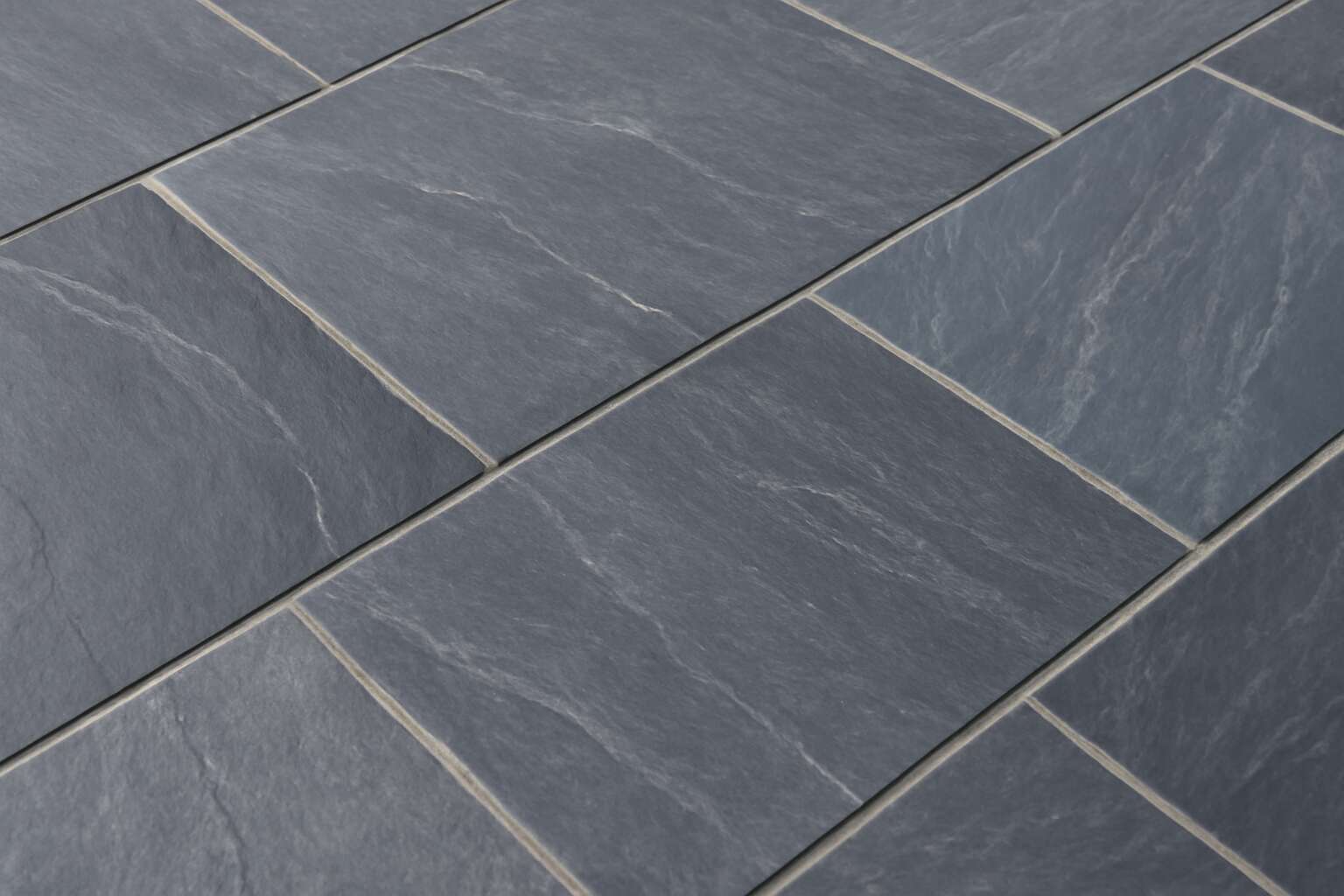
Overview and Key Benefits of Natural Slate Pavers
Durability and Hardness
Enduring beauty and quiet resilience define slate paving stones in outdoor spaces. A recent survey of South African homeowners shows durability as the top priority for paving, and natural slate delivers elegance that ages like fine timber without losing its edge. As one craftsman says, ‘stone that listens to wind and rain becomes a partner in your home.’ I witness how it invites light and shadow to dance across patios and walkways, offering a refined backdrop to daily life!
Durability and hardness sit at the heart of slate paving stones. They resist scratches, hold pigment, and shrug off heat and moisture, making them ideal for varied climates. The benefits are clear:
- Hardness and abrasion resistance that keep surfaces pristine
- Low maintenance with minimal sealing
- Reliable slip resistance when damp for safe outdoor spaces
Aesthetic Varieties and Color Range
Slate paving stones unfurl like a song beneath footsteps, marrying texture with light. In South Africa’s sun, its surface gathers brightness and spills it across, turning patios into intimate rooms carved from the earth. Each tile bears its own character, a signature of natural slate that ages with grace. As one craftsman says, ‘stone that listens to wind and rain becomes a partner in your home.’
Its palette spans charcoal to blue-grey, with veining of green or pewter—lending depth to every installation. Textures range from crisp, honed planes to rugged, riven surfaces, letting mood settle on a veranda or garden path.
- Palette ranges charcoal to blue-grey with green or pewter veins
- Veining adds depth and character to each installation
- Finishes include riven, honed, or brushed textures
With slate paving stones, every step feels timeless—a whispered invitation to linger as light writes its story.
Slip Resistance and Safety
In South Africa’s sunlit courtyards, slate paving stones offer a quiet pact of safety and elegance. A surface that stays secure through rain and heat invites you to linger, as one seasoned craftsman says, “stone weathered by wind lends steadier footsteps.” Slate becomes more than stone—it becomes a trusted partner for every outdoor room.
Overview and key benefits of natural slate pavers lie in slip resistance and safety. Its natural texture and density help keep surfaces grippy when damp, making passages calm and assured.
- Enhanced slip resistance through surface texture
- Low moisture absorption reduces slickness after rain
- Stable performance in SA’s sun and showers
With slate paving stones, outdoor spaces glow with quiet authority, where light and shadow choreograph each step and every moment outdoors feels timeless.
Maintenance and Longevity
Outdoor spaces in South Africa deserve surfaces that endure. Slate paving stones fit that brief with a measured, timeless presence. A seasoned rural craftsman notes, “stone weathered by wind lends steadier footsteps,” and the idea sticks—these stones carry dignity through seasons and stories alike.
Natural slate’s dense, fine-grained makeup gives it resilience. slate paving stones maintain colour depth, resist staining, and handle the daily march of feet without shouting for attention. Its timeless palette—charcoal greys, ash blues, and warm, sunlit tones—stays cohesive across seasons, quietly anchoring patios and courtyards.
- Low moisture absorption minimizes staining and efflorescence
- Dense mineral structure resists wear from foot traffic
- Natural texture evolves into a distinctive patina over time
That enduring presence translates into spaces where light, shade, and everyday life unfold with quiet authority, thanks to slate paving stones.
Environmental Considerations and Sustainability
Slate paving stones offer an unassuming grandeur that speaks in the language of weather and time. In South Africa’s sun-washed courtyards, they calm the eye with a natural cadence, preserving color and form as seasons turn. A craftsman once whispered, “stone keeps a village’s rhythm,” and the sentiment lingers—these slabs are more than ground; they are memory underfoot.
Environmental considerations shape their virtue. Slate paving stones endure a long life, meaning fewer replacements and less material cycling. Their natural composition presents a lower-impact profile when compared with engineered surfaces, while a restrained palette helps sustain timeless landscapes.
- Long life reduces replacement cycles and landfill load
- Relative simplicity of extraction and finishing lowers energy use
- End-of-life recyclability and repurposing in borders or features
- Thermal performance helps temper outdoor comfort in hot SA climates
Across South Africa’s varied exteriors, slate paving stones offer a sustainable, elegant backbone for patios and courtyards. They blend with drought-tolerant plantings and water-wise schemes, inviting quiet conversations and contemplations alike—the kind of material that ages with grace while remaining exactly as imagined: slate paving stones.
Common Uses and Applications
“Stone remembers the rhythm of a village,” a master craftsman once said, and slate paving stones prove it in South Africa’s sunlit courtyards, aging with quiet authority!
Overview and key benefits: Natural slate offers a muted grandeur—the grain and color shift subtly with light, ensuring timeless appeal. The texture invites touch, while a calm palette harmonizes with South Africa’s varied exteriors and long afternoons outdoors.
Common uses and applications include:
- Patios and courtyards for refined outdoor living with natural stone slabs
- Garden paths and stepping stones through drought-tolerant planting
- Pool surrounds and water features with slate paving stones for natural grip and beauty
- Stair treads and edging defined by stone slabs
Choosing Slate Pavers: Types, Grades, and Sizing
Slate Varieties and Color Range
Choosing slate paving stones is more than a practical decision—it is a doorway to legend in your outdoor rooms. The right slate sets the mood for sunlit paths and shadowed courtyards; a recent survey finds natural stone installations boost curb appeal by up to 60%.
- Finish: natural cleft, honed, polished
- Grade: A, B, or C
- Sizing: standard dimensions and 20–40mm
Slate varieties and color range unfold like a mythic tapestry. From blue-gray to charcoal and mossy greens, the palette shifts with light—perfect for South African skies that love drama and quiet patina.
I have watched slate paving stones endure and transform spaces, becoming anchors for memory and movement in every dawn.
Edge Profiles and Thickness
A striking path isn’t just a route—it’s a living sculpture that can lift a property’s curb appeal by as much as 60%. Choosing slate paving stones lets you dictate tone and texture, from sunlit arcs to moonlit courtyards. Edge profiles and thickness determine how the stones sit, wear, and whisper with weather.
- Finish options: natural cleft, honed, polished
- Edge profiles: square, bevel, half-bullnose
- Sizing and thickness: 20–40 mm with standard dimensions
In South Africa, the warmth of local light makes slate sing. The right combination of type, grade, and sizing creates a durable rhythm underfoot, a small drama you notice every morning.
Tile vs Slab Slate Pavers
Across South Africa, the light has a way of turning slate paving stones into living sculpture. I’ve seen a well-chosen path lift curb appeal, inviting visitors to linger at your door! Selecting Types, Grades, and Sizing for your project opens two cadences: Tile vs Slab pavers for your outdoor rooms.
Tile vs Slab slate pavers offer two cadences to choose from:
- Tile: lighter cadence, easier to pattern, flexible layouts, quicker to lay.
- Slab: expansive surfaces, uninterrupted planes, timeless drama.
Sizing and thickness range from 20–40 mm with standard dimensions, a balance of durability and foot comfort, tailored to South Africa’s climates and drainage needs.
Grading and Quality Indicators
Across South Africa, slate paving stones turn walkways into living sculpture—statements that endure and invite. A well-chosen slate surface can lift curb appeal and coax visitors to linger at the door. Choosing slate pavers hinges on three pillars: types, grades, and sizing, each shaping mood, patternability, and longevity.
- Natural cleft slate for rustic texture and shadows
- Honed or sawn finishes for clean, modern lines
- Textured or riven surfaces for grip and light play
Grades guide uniformity and performance. Look for even color across slabs, consistent feel of the surface, tight edge quality, and solid backing. A-grade slate surfaces read as sleek and seamless; B-grade carries rustic charm with controlled imperfections; C-grade prioritizes budget-friendly variety with pronounced character.
Sizing options open layouts—modular grids, paned patterns, and expansive planes—while a practical thickness range balances durability and foot comfort, tailored to SA’s drainage needs. The right surface translates climate, light, and life into a durable, elegant exterior.
Sizing Patterns and Layout Planning
“Stone is memory in motion,” and slate paving stones carry that memory across your entrance for decades. A well-placed slate surface turns a walkway into a sculptural moment and sets the tone for the home.
Choosing slate paving stones comes down to three pillars: types, grades, and sizing. Types fall into three families—traditional cleft for rugged character, smooth honed for clean lines, and textured for grip and light interaction. Grades guide uniformity: A-grade reads sleek; B-grade brings rustic charm with controlled character; C-grade offers budget-friendly variation.
- Modular grids
- Paned patterns
- Expansive planes
Sizing and thickness choices shape mood and performance. Aim for consistent thickness for stability, and select modular sizes to suit space and drainage in SA climates. Pattern and proportion influence rhythm, scale, and how light dances across the surface.
Installation Guide for Slate Pavers
Surface Preparation and Subbase Requirements
In South Africa, outdoor spaces remember the weather like old stone remembers a storm. The installation of slate paving stones promises nocturnal elegance, yet a misstep in the subbase can turn beauty into crackled tragedy. A steady breath of surface preparation is the first ally!
Surface preparation begins with listening to the ground. A stable subgrade and a well-drained base guard against movement. Use geotextile to separate soils and permit drainage. Choose a base that compacts evenly. Plan a gentle slope for runoff to avert puddles.
- Subgrade stabilization and moisture control
- Geotextile fabric to prevent mixing
- Proper base material that compacts evenly
- Drainage slope to ensure runoff
Patience is the final craft; when the subbase answers the call, the surface lies pressed like a secret sealed beneath night air, ready to endure South Africa’s sun and rain. Enduring, indeed!
Dry-Lay vs Wet-Lay Methods
Dry-Lay installation reads like a quiet unrolling of a story. Slate paving stones are placed on a stable base, patterns tested, and joints visually balanced before any setting material is introduced. It grants room for instinct, especially when the garden breeze shifts pattern with footsteps. Consider these contrasts at a glance:
- Flexibility to adjust alignment and spacing
- No setting mortar during the initial layout
Wet-Lay offers a different kind of permanence: a bonded surface that resists movement through rain and heat, preserving a single night-sky scene for years. In practice, mortar or adhesive binds each piece into a unified plane, producing a seamless plane that speaks to durability and care under South Africa’s sun.
Joint Materials and Drainage
Moisture be gone—your slate paving stones deserve a standing ovation after a proper downpour. In South Africa, a clever drainage plan is less a luxury and more a survival skill, not to mention a style test. When joints are smart and the base is patient, rainwater exits gracefully and your patio remains a usable stage for braais and designer dreams alike. “Drainage first, drama second—that’s the motto of patio weather.”
- Polymeric sand for flexibility and weed resistance
- Traditional cementitious grout for robust, time-tested joints
- Lime-based grout for a breathable, heritage-inspired finish
Beyond the joints, drainage matters: a gentle slope away from the house, a compacted subbase, and discreet channels keep slate paving stones flat and friendly after each shower. In SA’s sun-drenched zones, breathable joint materials help moisture escape without sacrificing durability.
Laying Patterns and Design Options
Pattern is everything when slate paving stones meet a South African patio. Patterns are more than decoration; they guide light, traffic, and the rhythm of a braai on a balmy dusk. Read the grain, the space, and the way rain beads before it disappears—the installation should feel inevitable, not accidental.
The design options range from orderly to daring, with patterns that suit both grand entrances and intimate courtyards. Choose a layout that resonates with the architecture, aligns with sightlines from doors, and respects the area’s scale. Let the room, light, and climate guide how the surface reads on humid days and bright afternoons.
- Herringbone for lively movement
- Running bond for timeless order
- Basket weave for textured depth
- Ashlar for refined symmetry
Compaction and Sealing Considerations
When you choose slate paving stones, they deserve a quiet, sturdy underframe. Compaction and sealing aren’t afterthoughts; they stabilise movement, moisture, and the rhythm of a braai under South African skies.
The formula for lasting performance rests on a few key considerations:
- Subbase integrity and drainage
- Moisture content and its impact on compaction tolerance
- Sealer choice: penetrating versus film-forming and its effect on finish and slip resistance
Sealing timing matters—dry spells and avoiding rain. Sealer types range from breathable penetrants to glossy coatings, each altering colour depth and the grain’s appearance in sunlight.
With the right base understanding and sealing philosophy, your outdoor space will endure from scorching afternoons to cool dusk braais.
Maintenance, Cleaning, and Longevity for Slate Pavers
Regular Cleaning and Stain Removal
Slate paving stones bring a quiet, adventurous elegance to outdoor spaces in South Africa. “Slate paving stones age like a well-loved map—every season adds character,” notes a Cape Town designer. Their surface holds color and texture even under fierce sun and heavy foot traffic.
Regular cleaning and mindful stain removal are about preserving that story. Slate paving stones reveal their character when stains meet the eye, with the stone’s natural patina maturing rather than clashing with abrupt cleansers.
- Patina development over time
- Stain minimization on porous surfaces
- Consistent color and texture through seasons
Longevity: With proper care, slate paving stones can endure decades, weathering SA rains and sun with grace. Their durability is enhanced by proper drainage and a gentle seal, reducing wear from freeze-thaw cycles and heavy use.
Sealing: When and Why
Sealing can turn quiet elegance into enduring drama, a Cape Town designer muses, as surfaces mature with character under SA skies. For slate paving stones, sealing is not mere decoration—it’s part of the stone’s lifecycle, preserving color and patina while offering subtle protection against staining from rain and foot traffic.
Timing and finish choices matter more than hype: the right seal respects the stone’s texture and breathability, enhancing uniform color across seasons. In South Africa’s climate, a thoughtful seal can slow the wear of sun and rain, keeping slate paving stones looking intentional for decades without muting the stone’s natural story.
Repair and Replacement of Damaged Slabs
Maintenance is the quiet act that makes surfaces feel timeless! A Cape Town designer once said, “Durability ages with dignity,” and slate paving stones prove it. I’ve seen surfaces endure the weather when upkeep is deliberate and patient.
- Sweep regularly and rinse with a soft brush
- Use a pH-neutral cleaner; avoid harsh acids
- Inspect joints and lift any loose slabs promptly
Gentle cleaning supports longevity: sweep, rinse with a soft brush and neutral soap, and address spills before they set. For slate paving stones, routine care keeps the surface vibrant and even-toned.
Longevity hinges on smart repairs. When a slab cracks or settles, replace damaged pieces promptly to preserve safety and rhythm. Targeted repair of slate paving stones remains a practical, durable choice.
Preventing Lippage and Structural Shifts
“Durability ages with dignity,” a Cape Town designer once said, and slate paving stones prove it. I’ve watched surfaces stay even and elegant through Cape winters when maintenance is deliberate. Start with a gentle sweep, rinse with a soft brush, and a pH-neutral cleaner—no harsh acids. I keep an eye on joints and lift any loose slabs promptly to prevent lippage from becoming a saga.
- Inspect joints regularly and re-seat displaced slabs to keep the surface flat.
- Refill joints with a flexible, breathable material to absorb movement.
- Ensure drainage is unobstructed to prevent water from undermining the bed.
Longevity hinges on smart repairs and routine checks. If a slab cracks or settles, replace it promptly to preserve safety and rhythm. Slate paving stones reward patient care with vibrant, even tones that stay true through seasons. I stick to gentle cleaning with a soft brush and neutral soap, avoid high-pressure washing, and keep the joints healthy so nothing shifts underfoot.
Seasonal Care Tips
“Durability ages with dignity,” a Cape Town designer once said. In the world of slate paving stones, maintenance is a quiet art, a season-by-season tempo that keeps surfaces poised against wind and rain. Gentle vigilance—watching joints, alert to loose slabs—preserves the surface’s even, regal rhythm.
Cleaning should be restrained: a soft brush, a neutral soap, and no harsh acids. Slate’s natural sheen softens when treated with respect; power washing dulls tones and unsettles the textures that define its character.
Longevity is earned through timely repairs and mindful checks. If a slab cracks or shifts, a careful replacement restores safety and cadence. Slate paving stones reward patient care with steady color and quiet elegance through every SA season!
Cost, Sourcing, and Sustainability of Slate Pavers
Pricing Drivers for Slate Pavers
Cost cloaks slate paving stones in shadow, revealing itself through freight, quarries, and finish work. In South Africa, import tariffs, currency swings, and VAT tilt the final tally. Thickness and edge detailing matter; a slim slab saves upfront, but a sturdy, handcrafted piece promises longer companionship. Installation—precise cuts and a solid subbase—takes the longest breath of the process. Pricing drivers include freight, milling, and installation.
Sourcing for slate paving stones travels from distant quarries to Southern African sites, often via Spain, Portugal, or India. The choice is a story—lead times, milling methods, and certifications shaping the bill. Origin and cut-order certainty matter when time hangs like a blade.
Sustainability is not a quiet afterthought but the hinge. Choose slate with clean origins, recycle sealants, and accept longevity as a weathered argument against waste. Slate paving stones endure, and that endurance keeps the story from turning to ash.
Where to Source: Local, Import, and Reclaimed Options
The price tag on slate paving stones isn’t just stone; it’s distance, duty, and delivery. A telling stat says logistics can push the final bill up by 20% in South Africa. Thickness, edge detailing, and finish work tilt the balance; a slim slab saves upfront, but a handcrafted piece endures longer.
Sourcing travels from distant quarries to Southern African sites, often via Spain, Portugal, or India. The choice is a story—lead times, milling methods, and certifications shaping the bill. Origin and cut-order certainty matter when time hangs like a blade.
- Local suppliers with in-country stock
- Import options from Europe and Asia
- Reclaimed or salvaged pieces
Sustainability is not a quiet afterthought but the hinge. Choose slate with clean origins, recycle sealants, and accept longevity as a weathered argument against waste. Slate paving stones endure, and that endurance keeps the story from turning to ash.
Eco-Friendliness and Longevity
Supply chains carry a stubborn math problem: in South Africa, logistics can push the final bill up by as much as 20%! With slate paving stones, distance, duties, and delivery become part of the design, influencing upfront choices and long-term value!
Local stock keeps timing tight and costs predictable; imports bring European or Asian milling styles; reclaimed pieces tell stories of reuse. The sourcing path shapes environmental footprint and provenance.
- Local suppliers with in-country stock
- Import options from Europe and Asia
- Reclaimed or salvaged pieces
Eco-friendliness and longevity hinge on clean origin, durable sealants, and a mindset that values repair over replacement. When properly sourced and maintained, these stones weather time rather than waste, turning sustainability into a quiet, enduring argument for choice.
Warranty and Guarantees
Slate paving stones aren’t just a purchase; they’re a pathway. In South Africa, logistics can push the final bill up by as much as 20%. I’ve learned that upfront cost clarity matters; choosing nearby stock or insured deliveries keeps the investment predictable and the project on track.
Warranty and guarantees hinge on sourcing. We see local stock move faster and claims stay straightforward, while import options from Europe or Asia bring different milling styles. Reclaimed or salvaged pieces offer character with provenance.
- Local stock: faster delivery and simpler warranty validation
- Import options: diverse finishes and varied warranty terms
- Reclaimed: lower embodied energy and unique patina
Sustainability and warranties go hand in hand. From our experience, clean origin, durable sealants, and proper maintenance help these stones weather time rather than waste. Warranties typically cover manufacturing defects and sealant compatibility, helping the finish stay intact.
DIY vs Professional Installation Costs
Cost matters when you’re laying slate paving stones in SA: delivery, VAT, and the occasional weather delay can nudge the bill upward faster than a sprinter. I’ve found local stock and simple DIY sealants keep the price honest, while still delivering long-lasting curb appeal. DIY can save, but plan for tools and waste.
Sourcing choices ripple through the project. Local stock ships quicker and backs up warranties cleanly; import options bring finishes you won’t find offshore; reclaimed pieces offer patina with provenance.
- Local stock: fast delivery and simple warranty validation
- Import options: diverse finishes and varied warranty terms
- Reclaimed: lower embodied energy and unique patina
Sustainability and warranties walk hand in hand for slate paving stones. I’ve seen clean origin, durable sealants, and sensible maintenance help slate weather time rather than waste. Warranties covering manufacturing defects and sealant compatibility ensure the finish stays intact.

0 Comments