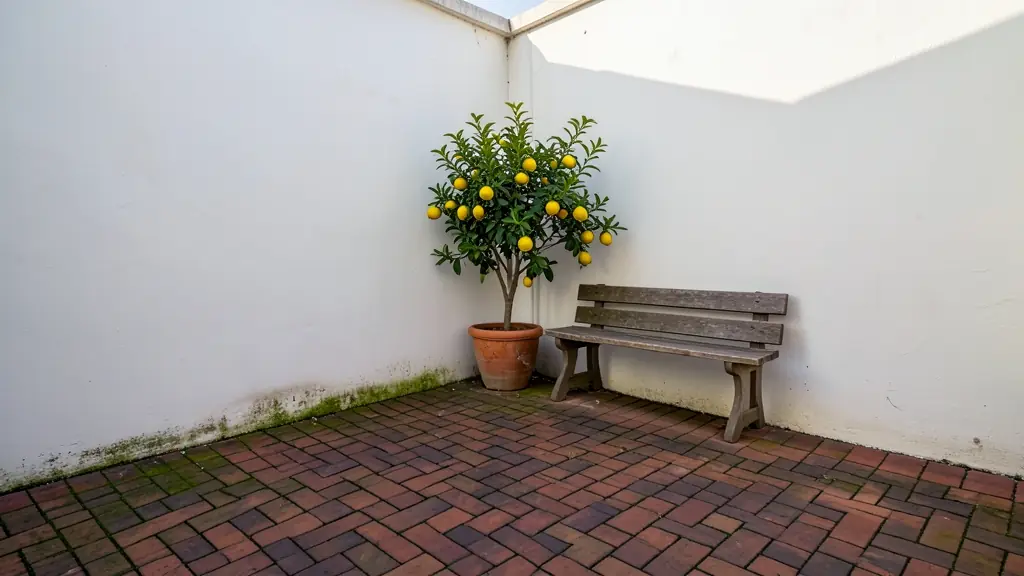
Clay pavers are shaped from mined clay and fired in a kiln until the particles fuse. No pigment is mixed in: the colour comes from the clay itself and the heat of the fire, so a paver chipped by a dropped spade shows the same red underneath. That is why clay paving bricks laid in older suburbs decades ago still look warm while the house walls have been repainted several times.
Price guide
A Pretoria brick shop lists clay bevel pavers at about R5.75 to R7.80 each, incl. VAT. A Western Cape builders' merchant lists narrow clay pavers at about R14,400 per 1,000 and 50 mm red clay pavers at R5,700 a pallet of 500, incl. VAT.
A rough guide from published South African prices. The type, thickness, quantity, delivery, the base and VAT all move it.
Why does the colour of clay pavers not fade?
Sun bleaches pigment, and fired clay has none to lose. The shade depends on the clay pit and the kiln: pale salmon and terracotta, through brick red and chocolate, to dark iron brown and plum. Pavers stacked nearest the flame come out darker or flashed, which gives a natural blend across a pallet. Choosing between these tones is covered on paver colours.
Why do clay paving bricks cost more?
The clay is dug, blended, shaped, dried and then fired for days, which burns a great deal of energy. Clay shrinks in the kiln, so each batch is sorted for size and the rejects set aside. The shape range is narrower too, mostly rectangles and a few specials. Against that, there is nothing to repaint or reseal for colour over the life of the paving. The brick paving prices page explains how the per m² figures compare.
How does clay paving age?
Slowly. The faces wear smooth where cars turn, sharp edges round off a little, and the surface takes on a soft patina. In damp shade, from Knysna gardens to a south facing Durban yard, moss and algae settle in the joints and on the faces; a stiff broom and the methods on paving cleaning deal with it. Dense clay resists oil better than concrete but can still stain.
What is the white bloom on new clay paving?
Efflorescence: soluble salts from the clay, the bedding sand or the soil, carried up by water and left behind as it dries. On new paving it usually fades after a few months of rain. Dry brush it off rather than hosing daily, which draws up more salt. If you use a cleaner made for it, test a small hidden patch first, wear gloves and eye protection, keep children and pets away, stop the rinse water reaching drains, the pool or the lawn, and follow the label.
Who asks for this
- Homeowners
- A face brick home where the driveway should stay the same red for decades.
- DIY weekenders
- A small clay courtyard where chips and scuffs will never show grey underneath.
- Estates and body corporates
- A heritage style complex where faded concrete would look out of place.
- Builders and developers
- Clay paving matched to the face brick specified on the house plans.
- Landscapers and garden services
- Warm clay paths and edges that sit well beside indigenous planting.
- Shops, offices, schools and churches
- A guest house or restaurant terrace that has to look good for years.
- Farms, lodges and venues
- An old farmstead werf or wedding venue courtyard with a traditional feel.
- Municipal and public works
- A restored town square or museum forecourt that keeps its period look.
Frequently asked questions
Are clay pavers worth the extra on a driveway?
On a house you plan to keep, often yes: the colour stays and there is no repainting. For cars, ask for a paver thick enough for vehicle traffic and get its strength class in writing.
Will clay pavers match my face brick house?
They can, since both are fired clay. Ask for a few samples and lay them dry next to the wall in daylight before ordering.
Are clay pavers slippery when wet?
A smooth, dense face can be slick with rain or moss. Round a pool or on a ramp, choose a textured or rumbled face.
Do clay pavers need sealing?
Not for colour. A sealer only adds stain resistance; if you want one, see paving sealer and pick a matt finish so the clay does not turn slippery.
Related topics
Work it out first
- Paver calculatorArea, paver size, joint and cutting allowance: pavers per m², the count with cuts, pallets to order and the m² each pallet covers
- Paving base calculatorArea, traffic and sand depth: base gravel in loose m³ and tonnes, bedding sand in m³ and tonnes, and how many truck loads to order
- Paving cost calculatorYour own quoted rates for pavers, base, labour, edging, removal and delivery: each line, the total with or without VAT, and the rand per m² laid